Source Log Periodic Antenna for Base Stations, Wi-Fi, and IoT
Compare 30 log periodic antenna options from verified suppliers. Buyers can evaluate specifications like frequency range, gain, and VSWR to find suitable models for base stations, Wi-Fi networks, and IoT deployments; compare the available evidence and request quotations based on your requirements.
Key considerations
Products List


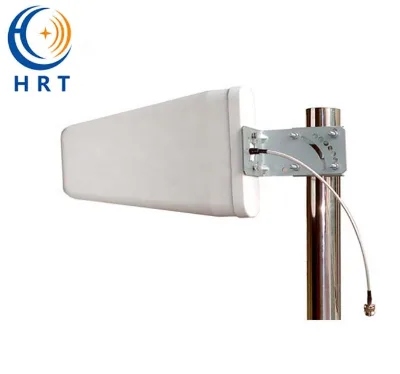
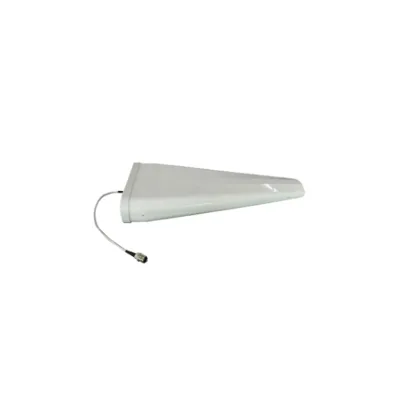

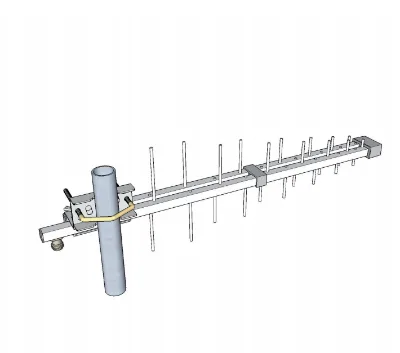


Comprehensive Sourcing Guide
Log Periodic Antenna Sourcing Guide
Procuring log periodic antennas requires a disciplined approach to technical verification and commercial alignment. These directional antennas are critical for communication systems requiring wide bandwidth coverage and consistent gain performance across multiple frequency bands. Buyers must prioritize suppliers who provide detailed technical documentation rather than relying solely on generic product descriptions. The observed market data indicates a diverse range of models, from compact surface antennas to larger base station units, each with distinct operational parameters.
Understanding the specific application context is essential before initiating supplier negotiations. Whether for base station deployment or specialized communication links, the antenna's frequency range, gain, and beamwidth must align with system requirements. Suppliers often list multiple models with varying specifications, such as different VSWR ratios or power handling capabilities. Buyers should request sample units for field testing to validate performance claims against real-world conditions. This step ensures that the selected antenna meets the precise technical needs of the communication infrastructure without unexpected compatibility issues.
Product Scope and Observed Listing Signals
The observed product listings reveal a broad spectrum of log periodic antenna configurations, primarily categorized by their dimensional structure and operational wavelength. Most units are identified as two-dimensional antennas operating in the microwave spectrum, with specific frequency ranges spanning from 698 MHz to 4000 MHz. This wide bandwidth capability is a defining characteristic of log periodic designs, allowing them to function effectively across multiple cellular bands. Buyers should note that while some models are designated for receiving only, others support both transmitting and receiving operations, which impacts the selection process for bidirectional communication systems.
Physical dimensions and structural form also vary significantly across the available inventory. Standard dimensions observed include 442x200x37mm and 440x210x65mm, indicating that physical space constraints in installation sites must be carefully evaluated. The material composition is predominantly aluminum, which offers a favorable balance between weight and durability for outdoor or semi-outdoor installations. Packaging is typically standard export cartons, suggesting that logistics costs will be relatively predictable. However, buyers must verify the exact model number, such as AT010308251065NF or TPW-LA-727-NF, to ensure they are sourcing the specific variant required for their network architecture.
Technical Specifications to Verify
Gain and beamwidth are the primary performance metrics that buyers must scrutinize during the sourcing process. Observed gain values range from 8 dBi to 11 dBi, with specific models offering dual gain options of 8/10 dBi. The beamwidth specifications are equally critical, with horizontal beamwidths typically around 70 degrees and vertical beamwidths around 50 degrees. These parameters determine the coverage area and signal focus of the antenna. Buyers should request detailed radiation pattern diagrams to confirm that the beamwidth aligns with the intended coverage zone, as slight variations in beamwidth can significantly impact network capacity and interference levels in dense urban environments.
Impedance matching and voltage standing wave ratio (VSWR) are fundamental to ensuring efficient power transfer. The standard impedance for these antennas is 50 ohms, which is compatible with most modern communication equipment. However, VSWR values vary, with some models specifying a ratio of less than 1.5, while others list a range of 1.5 to 2.0. A lower VSWR indicates better impedance matching and reduced signal reflection, which is crucial for maintaining signal integrity. Buyers should also verify the front-to-back ratio, observed at 15/18 dB in some listings, to assess the antenna's ability to reject unwanted signals from the rear. This metric is vital for minimizing interference in multi-antenna systems.
Compliance and Safety Documentation
While specific certification names are not explicitly listed in the provided data, buyers must ensure that all antennas comply with relevant international telecommunications standards. The origin of the products is noted as China, with specific references to Guangdong, which implies adherence to Chinese manufacturing standards. However, for global deployment, buyers should request documentation proving compliance with regional regulatory bodies such as the FCC in the United States or CE in Europe. This documentation should include test reports that verify electromagnetic compatibility (EMC) and radio frequency exposure limits. Without these documents, the antenna may face legal barriers to installation and operation in many jurisdictions.
Environmental protection ratings are another critical aspect of compliance, particularly for outdoor installations. One observed model specifies an IP60 rating, indicating protection against dust ingress but not water. Buyers must verify the appropriate IP rating for their specific installation environment, as higher ratings like IP65 or IP67 may be required for areas exposed to rain or harsh weather conditions. Additionally, the power handling capacity, observed at 50W and 100W in different models, must be matched to the transmitter output to prevent overheating or damage. Requesting material safety data sheets (MSDS) for the aluminum components and connectors is also advisable to ensure they meet environmental and health safety regulations.
Cost Drivers and Commercial Terms
The observed price range for these antennas is extensive, spanning from $0.30 to $45,000 USD, which reflects the wide variation in model complexity, size, and performance capabilities. Buyers should not assume that the lowest price represents the best value, as cost is heavily influenced by the specific technical specifications required. High-gain models with wider bandwidths and robust construction typically command higher prices. It is essential to request itemized quotes that break down the cost of the antenna unit, connectors, mounting hardware, and any additional accessories. This transparency helps in comparing offers from different suppliers and identifying potential hidden costs that could impact the total project budget.
Minimum order quantities (MOQ) are another significant commercial factor, with observed ranges from 1 to 100 units. For large-scale deployments, negotiating volume discounts is crucial, but buyers must balance this against the risk of overstocking if demand fluctuates. Suppliers may offer tiered pricing structures where the unit price decreases as the order quantity increases. Buyers should also clarify the payment terms, such as whether a deposit is required before production or if payment is due upon shipment. Additionally, understanding the lead time for production and shipping is vital for project planning, as delays in antenna delivery can stall entire network installation projects.
Supplier Qualification and Quality Control
Selecting a reliable supplier involves evaluating their manufacturing capabilities and quality control processes. Since the products originate from China, buyers should verify the supplier's factory certifications and audit reports to ensure they maintain consistent production standards. Requesting samples for pre-shipment inspection is a standard practice that allows buyers to verify the physical dimensions, material quality, and connector integrity before bulk orders are processed. Suppliers who offer third-party inspection services or have established quality management systems, such as ISO 9001, are generally more reliable. This due diligence helps mitigate the risk of receiving defective units that could compromise network performance.
Technical support and after-sales service are also key indicators of supplier quality. A reputable supplier should provide comprehensive technical documentation, including installation guides, wiring diagrams, and troubleshooting manuals. They should also be responsive to technical queries and capable of providing replacement parts or warranty support if issues arise. Buyers should inquire about the warranty period and the terms under which replacements are provided. Establishing a clear communication channel with the supplier's technical team ensures that any installation challenges can be resolved quickly, minimizing downtime and ensuring the long-term reliability of the communication system.
Long-Term Procurement Checks
Establishing a long-term partnership with a supplier requires ongoing monitoring of performance and consistency. Buyers should track the defect rate and return frequency over multiple orders to assess the supplier's quality stability. If the defect rate exceeds acceptable thresholds, it may be necessary to renegotiate terms or seek alternative suppliers. Regular audits of the supplier's production facilities can also help ensure that they continue to adhere to the agreed-upon quality standards. This proactive approach helps maintain the reliability of the supply chain and ensures that future orders meet the same high standards as initial purchases.
Inventory management and supply chain resilience are also critical for long-term procurement. Buyers should consider maintaining a safety stock of antennas to buffer against supply disruptions, such as raw material shortages or logistical delays. Diversifying the supplier base can also reduce risk, although it may complicate quality control and increase administrative overhead. By implementing robust procurement strategies and maintaining open communication with suppliers, buyers can ensure a steady supply of high-quality log periodic antennas that support the continuous operation of their communication networks.
FAQs
What is the frequency range for these log periodic antennas?
The frequency range spans from 698 to 2700 MHz or extends up to 4000 MHz depending on the specific model selected. These antennas operate within the microwave wavelength band and are designed for communication applications requiring high gain performance.
Can I find log periodic antennas with high gain specifications?
Yes, available models offer gain values of 8 dBi, 10 dBi, or 11 dBi for optimal signal reception. These high gain antennas are directional and feature a front-to-back ratio between 15 and 18 dB for improved performance in base station setups.
Which materials are used to construct these communication antennas?
The primary construction material is aluminum, ensuring durability and effective signal transmission. These antennas are designed as surface-mounted units and are suitable for both transmitting and receiving operations in various communication environments.
How is the impedance specified for these antenna models?
The standard impedance is 50 ohms, compatible with most communication systems. The voltage standing wave ratio remains below 1.5 or at 2.0, ensuring efficient power transfer and minimal signal reflection during operation.
What are the dimensions of the standard export packing cartons?
Standard dimensions include 442 by 200 by 37 mm or 440 by 210 by 65 mm depending on the specific product model. These antennas are packed in standard export packing cartons for safe international shipping from China.
Can these antennas be customized for specific base station needs?
Customization is available to meet specific base station requirements and operational needs. Buyers can select from various models with different beamwidths and frequencies to ensure the antenna fits their unique installation and performance criteria.